Every machine door or control cabinet needs a lock that does its job quietly — no batteries, no resets, no drama.
That’s exactly what tubular cam locks are built for. They’re compact, reliable, and tough enough for places where vibration, dust, and daily access would destroy lighter mechanisms.
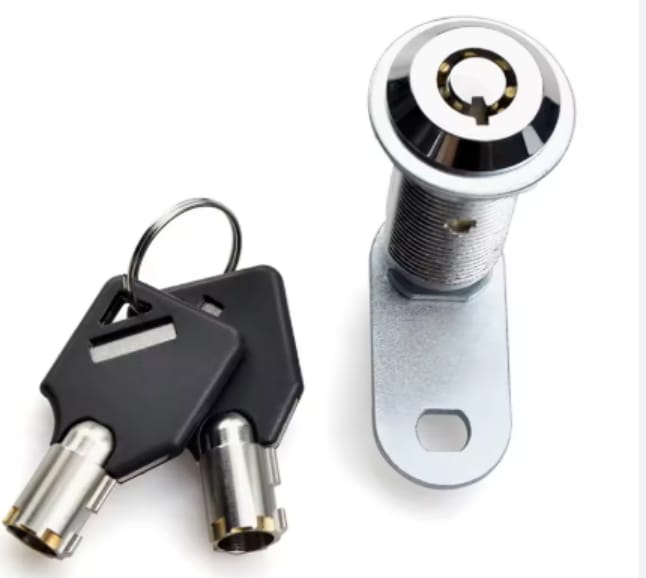
Instead of a flat slot, a tubular lock uses a round keyway lined with precision pins. It feels smooth when you turn it, but firm enough to tell you it’s locked right. That circular shape spreads the force evenly, making the lock harder to pick and slower to wear out.
In this piece, we’ll look at how tubular cam locks actually work, why their design holds up under pressure, what materials make the difference, and how Fornd’s industrial cam lock line puts those same mechanics to work across telecom boxes, vending units, and control panels.
How Does a Tubular Cam Lock Work?
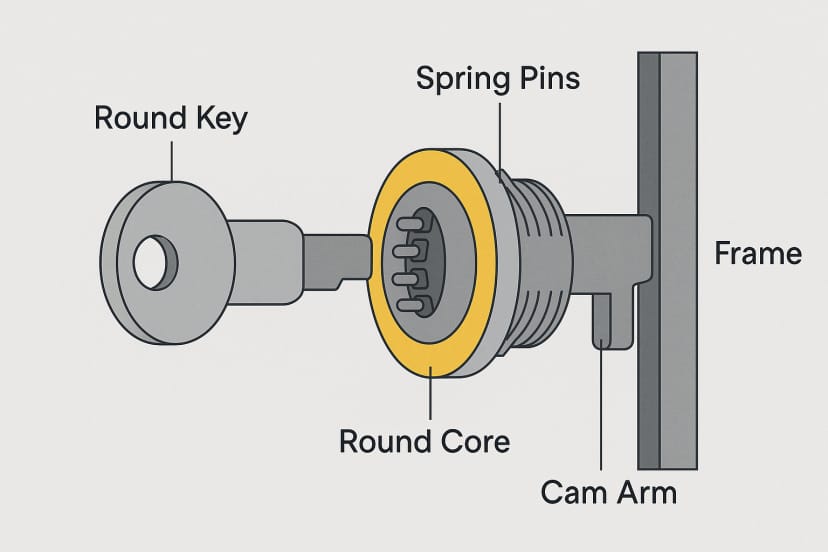
A tubular cam lock works in the simplest, most mechanical way possible. Turn the round key, and a short metal arm at the back swings into place behind the frame. ,That’s it. No power, no reset buttons — just solid parts doing what they’re built to do.
Round Core Design
Unlike flat-key locks that use a narrow slot, the tubular version has a round keyway with small spring pins arranged evenly in a circle. That shape gives it balance. When the key turns, the pressure spreads through the whole body instead of one thin edge. It stays tight, even on cabinets that rattle all day.
Pin and Key Alignment
Every cut on the key matches one of those pins. Push the key in, the pins fall into place, and suddenly the lock moves — smooth, steady, no scratching or sticking. You can feel it when the fit is right. It’s precise in a very physical way.
Even Force and Long Life
Because everything sits around a single axis, the turning force is shared evenly. No one part gets worn down first, which is why these locks last years without loosening. It’s the kind of design you stop noticing after a while — because it just keeps working.
Clear Locking Feedback
When the cam arm drops behind the frame, there’s always that short, clean click. Not loud, but clear enough that you know it’s locked. It’s a small sound you learn to trust — the metal telling you the door’s secure.
What Makes It More Secure Than Flat-Key Cam Locks?
Security isn’t just about keeping the door shut — it’s about how the lock behaves under pressure. A tubular cam lock looks simple, but its round design changes how force, wear, and tampering all play out.
Here’s how it compares to a standard flat-key cam lock:
Feature | Flat-Key Cam Lock | Tubular Cam Lock | Why It Matters |
Keyway Shape | Straight slot — easy entry for tools and picks. | Circular keyway with angled pins around the key. | Regular picks can’t reach all pins at once, making it far harder to pick. |
Pin Arrangement | Pins line up in a single row. | Pins are positioned evenly in a ring. | The round layout spreads stress evenly and improves precision. |
Feedback During Picking | Uneven pin pressure gives “tactile hints.” | All pins press with equal spring force. | Removes tactile clues, preventing decoding by touch. |
Core Fit | Looser fit between plug and housing; more play over time. | Tight, centered core with minimal clearance. | Resists vibration and keeps motion smooth even after years of use. |
Material Strength | Often zinc alloy or soft brass. | Hardened steel or nickel-plated brass. | Tougher metals resist drilling, twisting, and corrosion. |
Resistance to Force Entry | Can deform or crack under torque. | Compact, circular body disperses force evenly. | Holds shape under stress — more reliable in harsh use. |
Service Life | Wears faster, especially in vibrating panels. | Maintains alignment and tolerance for thousands of cycles. | Lower maintenance, longer lifespan, steadier feel. |
What Materials Are Tubular Cam Locks Made Of?
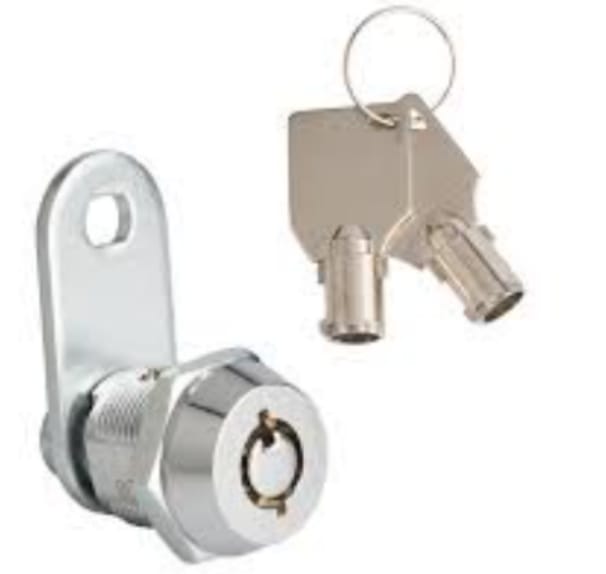
A tubular cam lock isn’t built from a single piece of metal.Each part uses a different alloy for a reason — some for strength, some for smooth motion, others for sealing out dust and moisture.
Part | Material | Why It Matters |
Lock Body | Zinc die-cast alloy | Gives the lock its weight and stability. It doesn’t crack or twist easily, even when the door vibrates or the nut is tightened again and again. |
Cam Arm | Stainless steel 304 | The “muscle” of the mechanism. It keeps its shape under pressure, so the panel stays shut without needing constant adjustment. |
Cylinder Core | Brass with nickel plating | The part that takes the key every day. The brass keeps the turn smooth, and the nickel layer stops oxidation from building up. |
Front Face & Nut | Chrome-plated steel or zinc alloy | Adds hardness where the tools touch — helps the surface resist scratches, scuffs, and rust over time. |
Sealing Rings | NBR or EPDM rubber | Keeps moisture, oil, and fine dust from creeping in, giving the lock real-world weather resistance without overengineering it. |
Springs & Pins | Hardened steel | The tiny parts that do the precise work. They keep tension even after thousands of turns, which is why the lock doesn’t go sloppy with age. |
What Makes a Tubular Key Different from a Flat Key?
At first glance, a tubular key just looks round instead of flat — but that shape changes how the whole lock feels and performs.
Circular Pin Layout
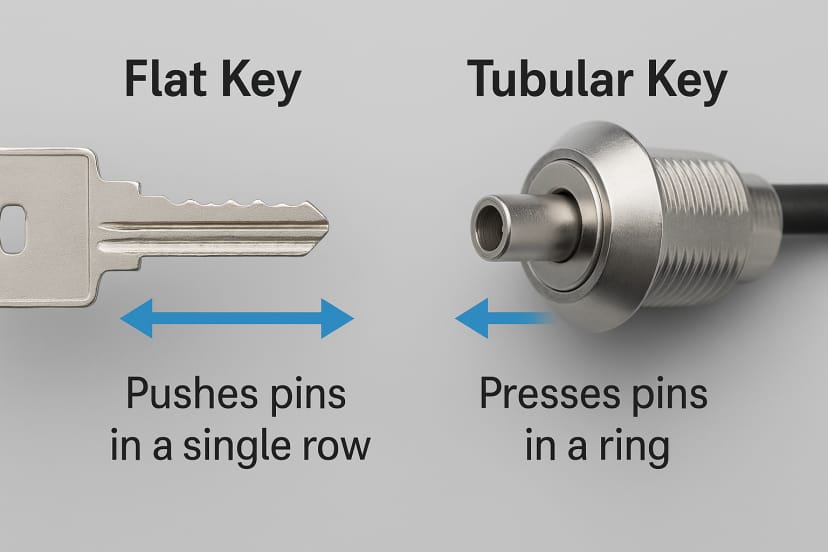
A flat key pushes pins in a single row. A tubular key surrounds the core, pressing all the pins at once in a ring. The result? A smoother turn, less metal grinding, and a lock that stays tight even after years of use.
Even Force and Longer Life
Because the pressure spreads evenly around the cylinder, it doesn’t wear out one side faster than the other. The lock feels balanced every time you twist it — no wobble, no catching.
Tougher Against Picking
That circular keyway isn’t just for looks. Regular lock-picking tools can’t reach all those angles at once, which makes quick attacks almost impossible without special gear.
Clean, Confident Feedback
When you turn a tubular key, you can feel that crisp little click when the cam seats. It’s the kind of tactile feedback technicians love — you know instantly it’s locked right.
How Durable Are Tubular Cam Locks in Harsh Environments?
A lock’s real test isn’t strength on paper — it’s how it holds up after years of vibration, moisture, and daily use. Tubular cam locks rely on solid metals, tight construction, and proven coatings that help them stay reliable where others start to loosen or rust.
Reinforced Metal Body
The housing is made from zinc die-cast alloy — dense, balanced, and strong enough to handle repeated tightening without distortion. It keeps its threads and shape even when a door vibrates or flexes. That stability keeps the lock seated properly in its panel and stops it from working loose over time.
Stainless Steel Cam Mechanism
The cam arm, made from stainless steel 304, is what actually keeps the panel closed. It holds its tension even after years of opening, slamming, or heat cycles. Because it doesn’t bend or rattle, the turning feel stays steady — a small detail that tells you the mechanism is still in good health.
Corrosion-Resistant Core
Nickel-plated brass is used for the cylinder to keep it smooth and stable. The plating resists oxidation, while the brass core gives a firm, clean turn even in humidity or fine dust. It’s not about shine — it’s about making sure the key still fits right after thousands of cycles.
Protected Against Dust and Moisture
Rubber seals, usually NBR or EPDM, keep out dust and light water spray, protecting the moving parts inside. This design typically reaches around IP65 protection, which is enough for outdoor cabinets and industrial panels exposed to air or mist. It’s a small layer that adds years to the lock’s lifespan.
Proven by Testing
Before shipment, Fornds models will go through ISO 9227 salt-spray testing for about 72 hours. The goal isn’t perfection but assurance — to confirm the finish can handle exposure without corroding or seizing up. What matters isn’t how shiny it looks new, but how quietly it keeps doing its job years later.
How to Install or Replace Tubular Cam Locks?
Standard Cut-Out Fit
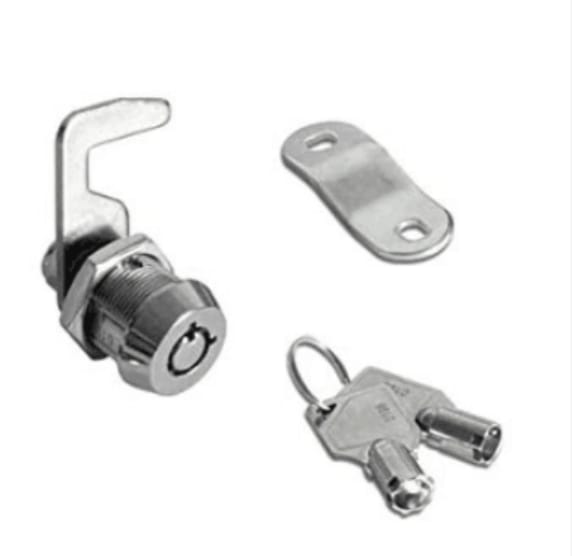
Tubular cam locks follow a global standard — most fit 19×16 mm or 20×22 mm panel holes.
No extra drilling, no layout changes. Just line it up and drop it in. That’s why factories pre-cut their cabinet panels to this size — it works everywhere.
Fast Mounting Options
You can fix it two ways: tighten a rear hex nut for a permanent fit, or snap on a retaining clip when speed matters.
Both hold firm under vibration, so there’s no need for a torque wrench or special alignment tool.
Quick, No-Tool Replacement
When a lock wears out, it doesn’t mean pulling the whole door apart.
Pop the clip, slide the cylinder out, and push in a new one — the cam lines up automatically. The whole swap takes less than a minute.
OEM-Friendly by Design
Because the footprint is universal, OEMs love these locks.
They can use the same part across multiple product lines — telecom boxes, HVAC panels, vending enclosures — saving time, tooling, and spare inventory.
What Are Fornd’s Tubular Cam Lock Options?
Fornd doesn't offers tubular cam locks. However, it also provides some high quality cam lock for users.
Product | Key Features | Image | Link |
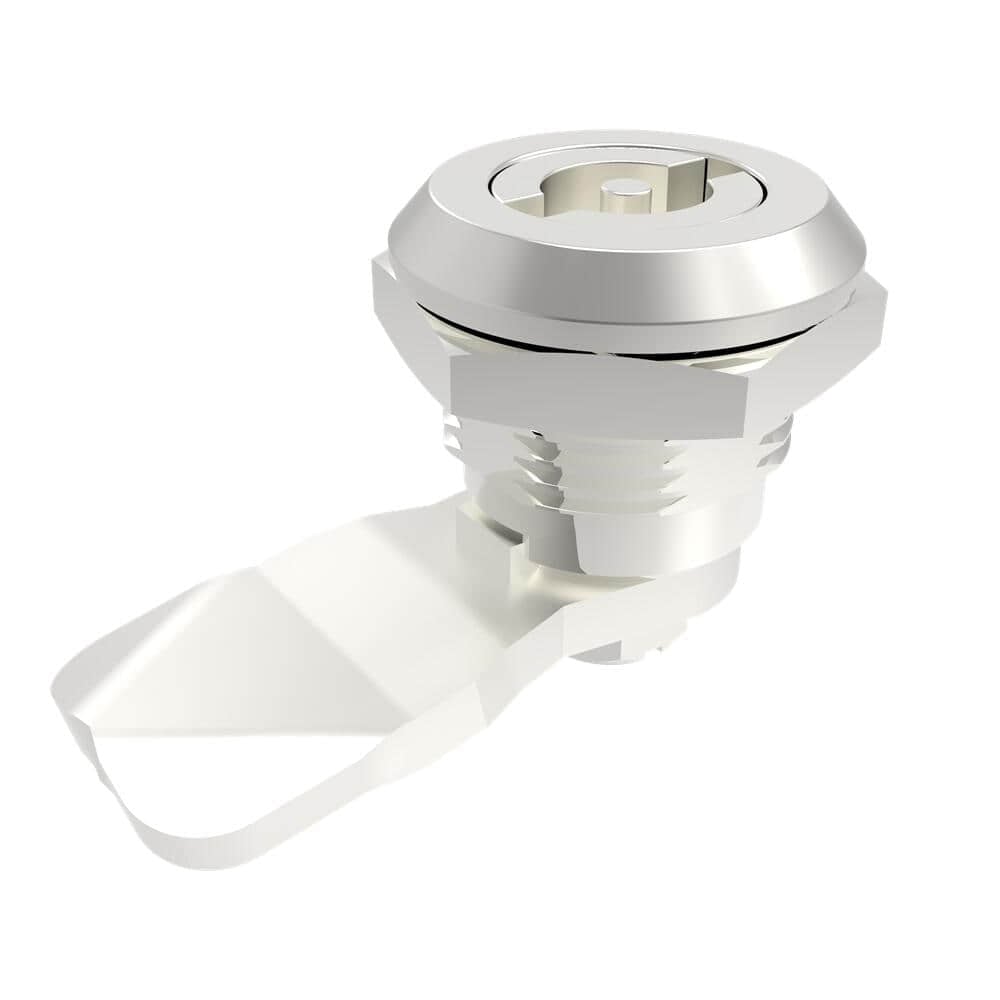
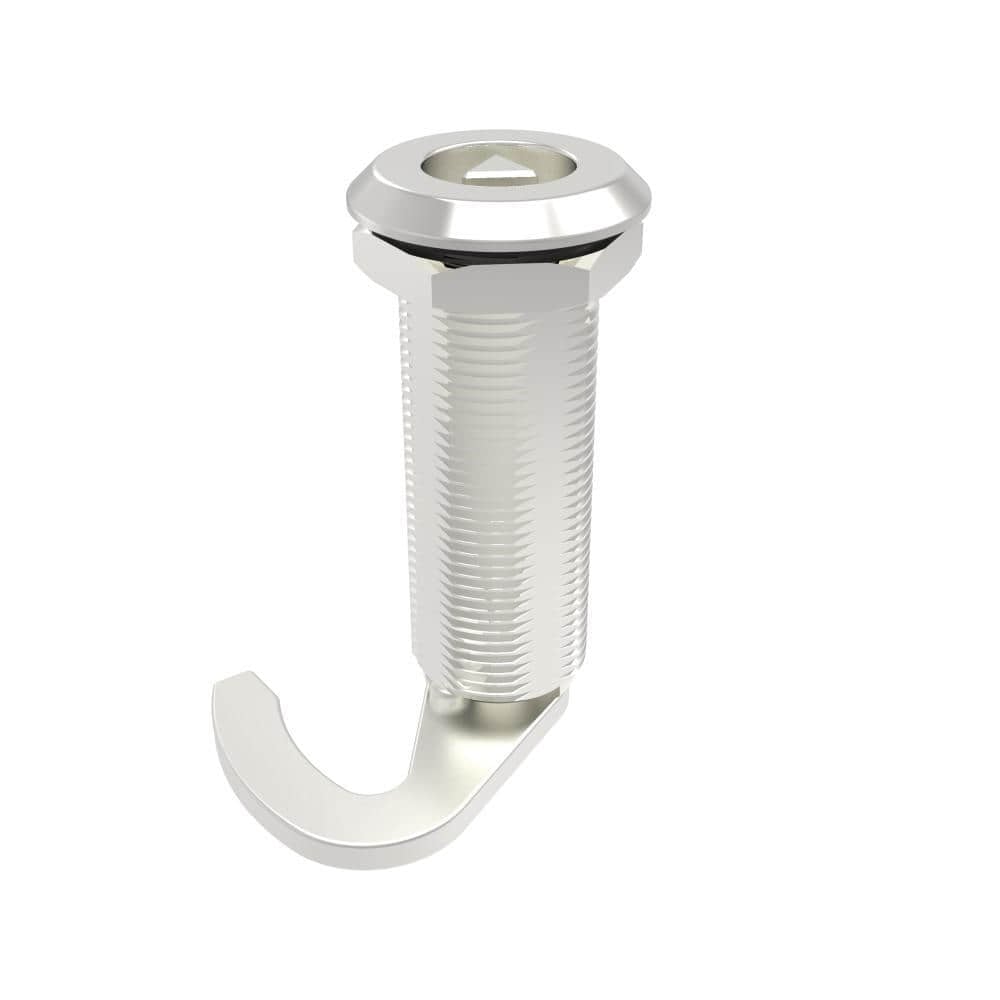
D1-1401-013-A1 | Heavy-duty construction, waterproof design, dust cover option, key alike/differ system available |
| https://fornd.com/product/classic-tool-locking-d1-1401-013-a1 |
D1-1406-002-A1 | Mini size for compact devices, anti-drill core, suitable for vending and payment systems |
| https://fornd.com/product/quarter-turn-cam-latch-railway-standard-d1-1406-002-a1 |
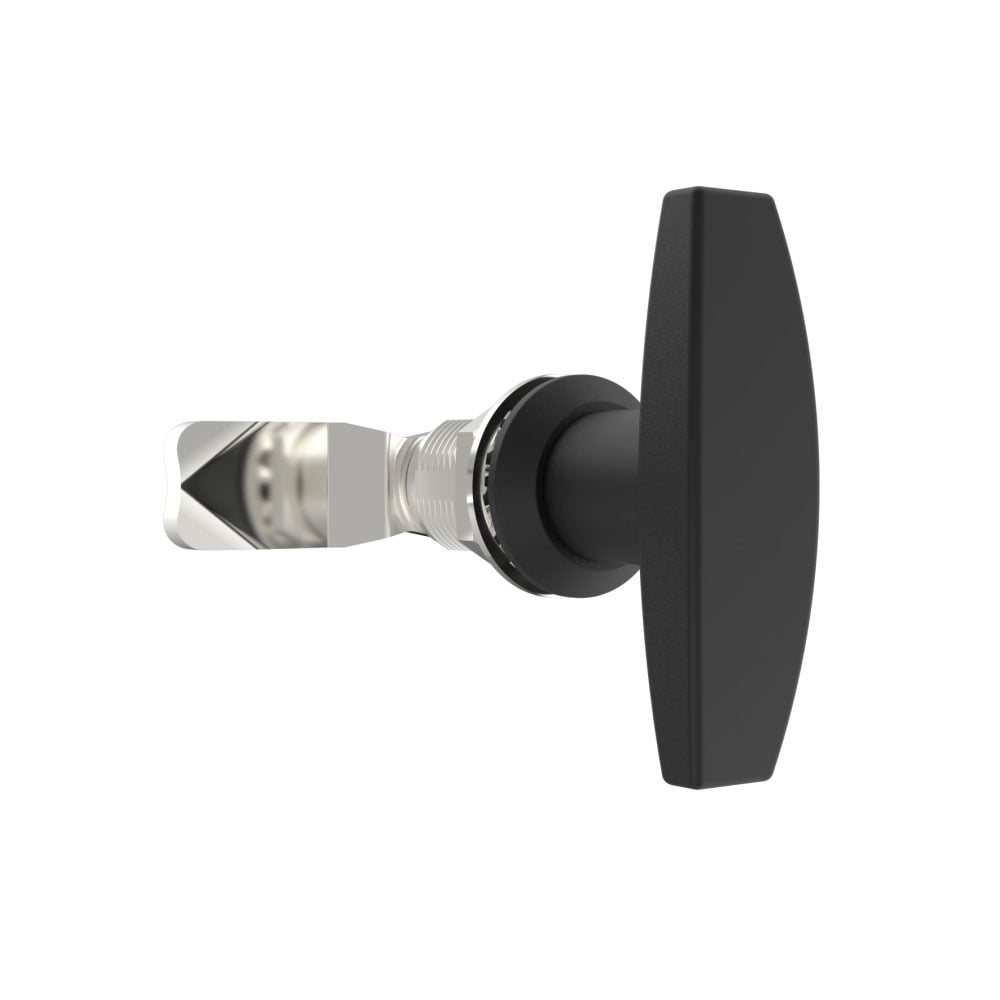
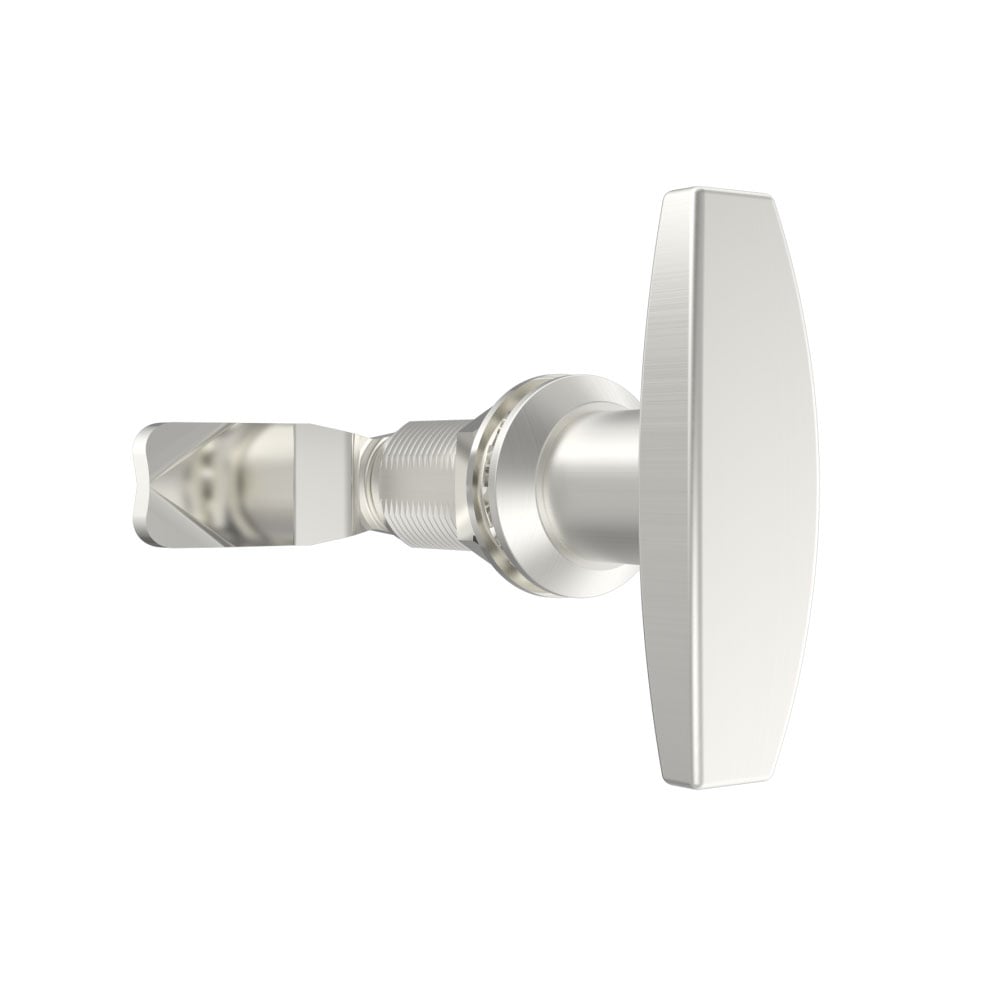
B-1201-030-40 | Stainless steel body, IP65 rating, adjustable cam length, suitable for outdoor cabinets |
| https://fornd.com/product/t-handle-quarter-turn-lock-b-1201-030-40 |
B-1201-040-A1 | Advanced tubular mechanism, ergonomic key grip, OEM logo customization supported |
| https://fornd.com/product/t-handle-quarter-turn-lock-b-1201-040-a1 |


They’re small parts, but they make entire machines feel precise. Ready to lock in your safety? Order your Fornd Cam Lock now in https://fornd.com/, and secure your equipment without delay!
FAQs
What is a tubular cam lock used for?
It’s used to secure cabinets, panels, and enclosures with a round key mechanism that offers stronger pick resistance.
How do I choose the right Fornd cam lock model?
Match the lock to your environment — indoor, outdoor, or compact — and check rotation angle and material type.
Can Fornd tubular cam locks be keyed alike or keyed different?
Yes, they can be ordered keyed alike for convenience or keyed different for added security.
Does Fornd provide custom finishes or branding options?
Yes. Fornd supports custom logo engraving, finishes, and OEM/ODM design services.