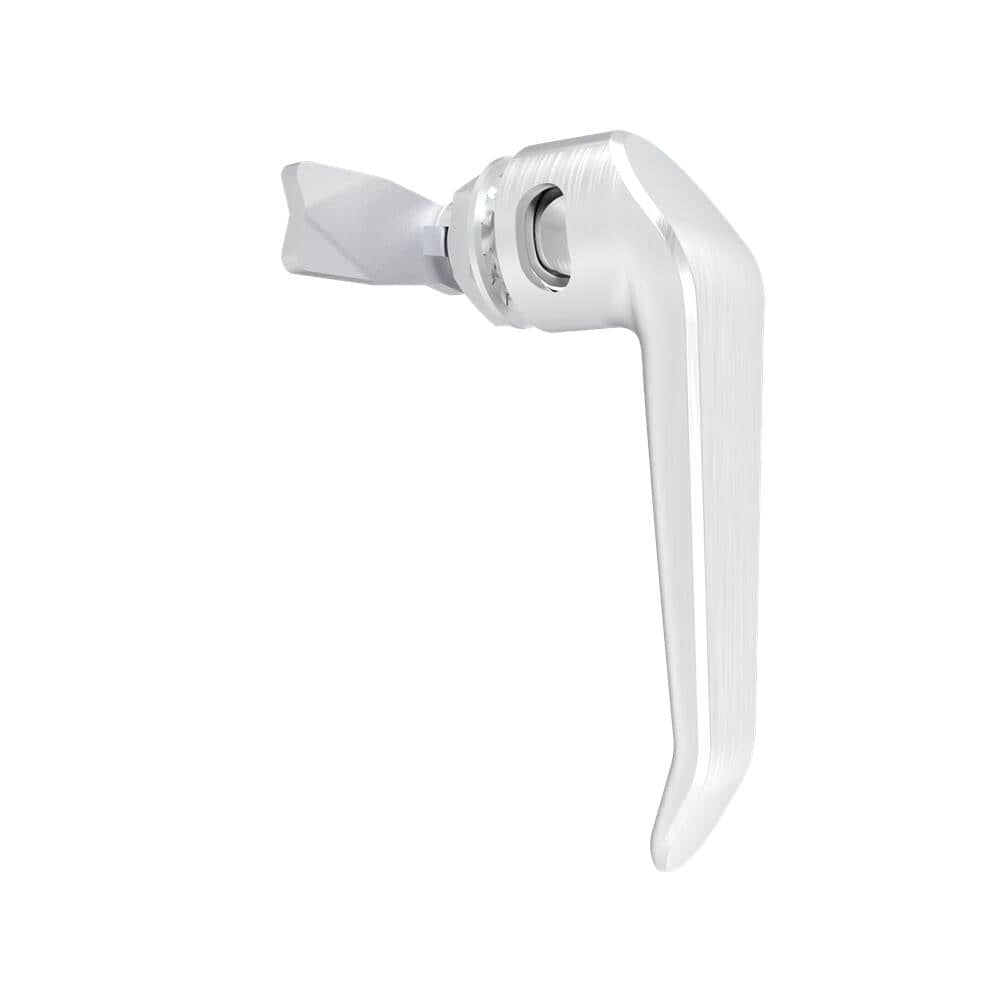
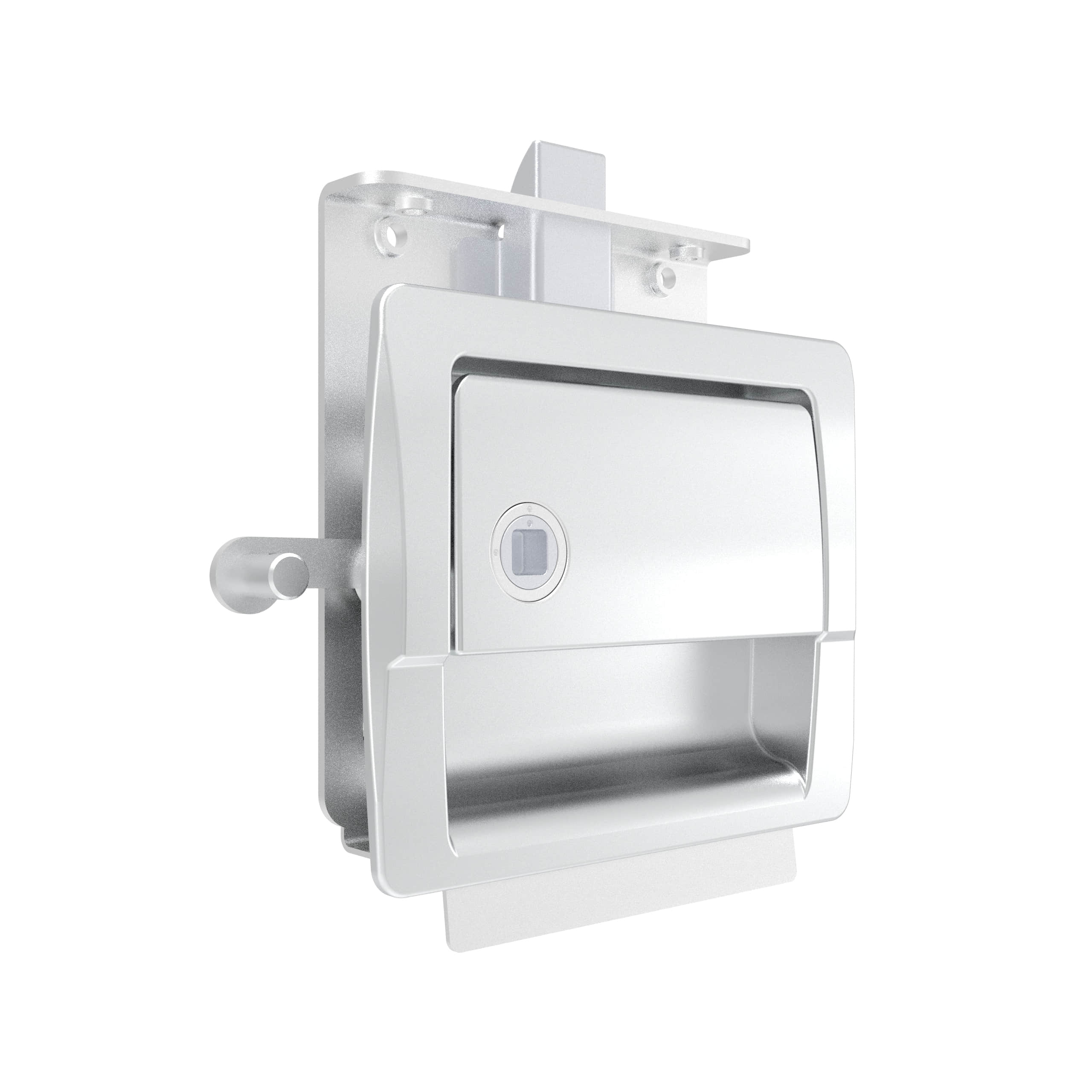
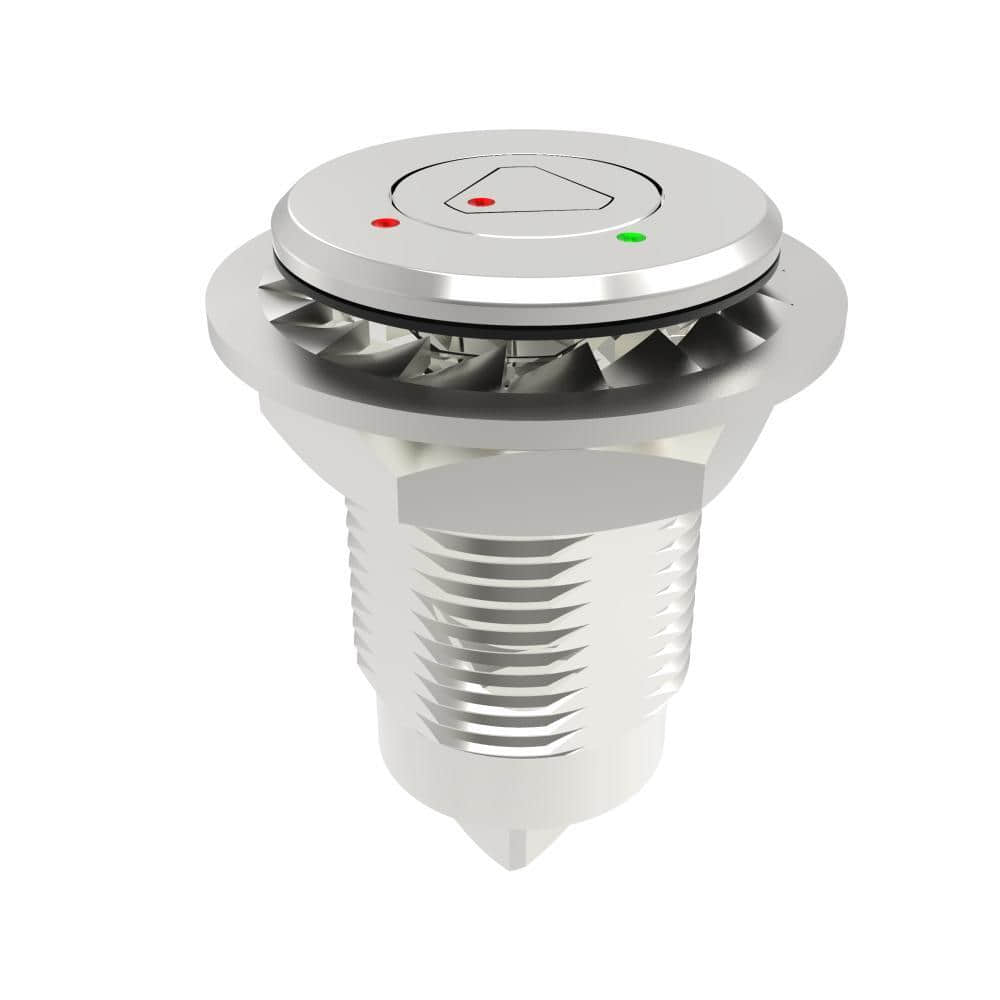
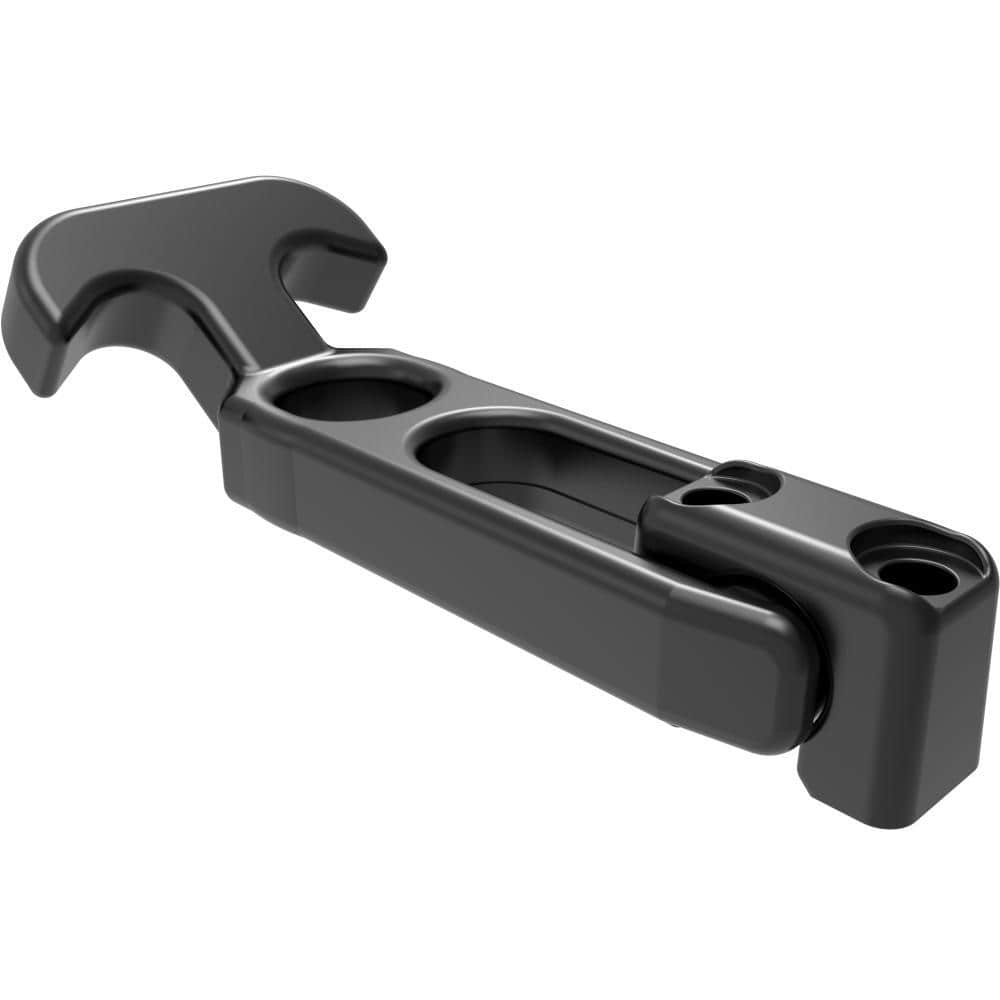
It's important to be accurate and strong in tough manufacturing settings. No matter if you're shutting up a CNC machine enclosure, a telecom cabinet, or a nautical access panel, it's important to pick the right latch and door hardware for long-term safety and performance. What two very important things should you look for? There are CNC locks that fit properly and door hardware that won't rust and can handle chemicals, bad weather, and water.
Fornd makes industrial locking systems and a variety of CNC-machined latches and gear that won't rust for heavy-duty work environments.
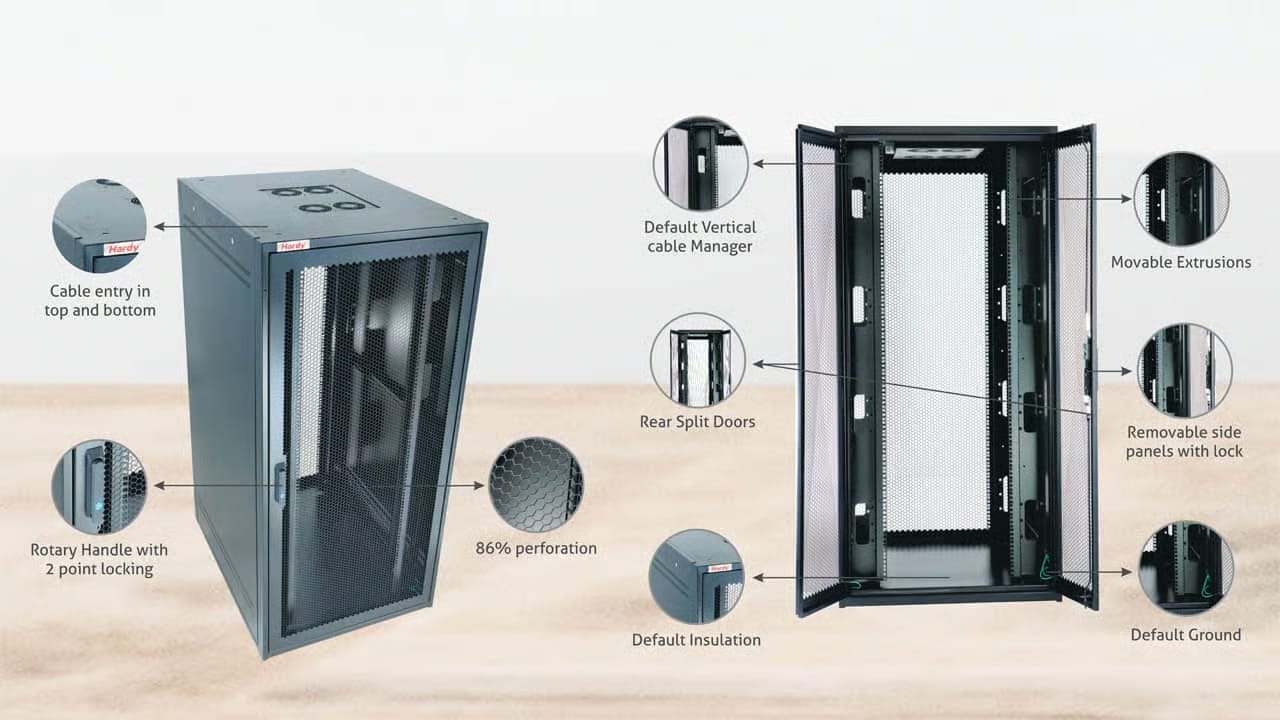
What Are CNC Latches?
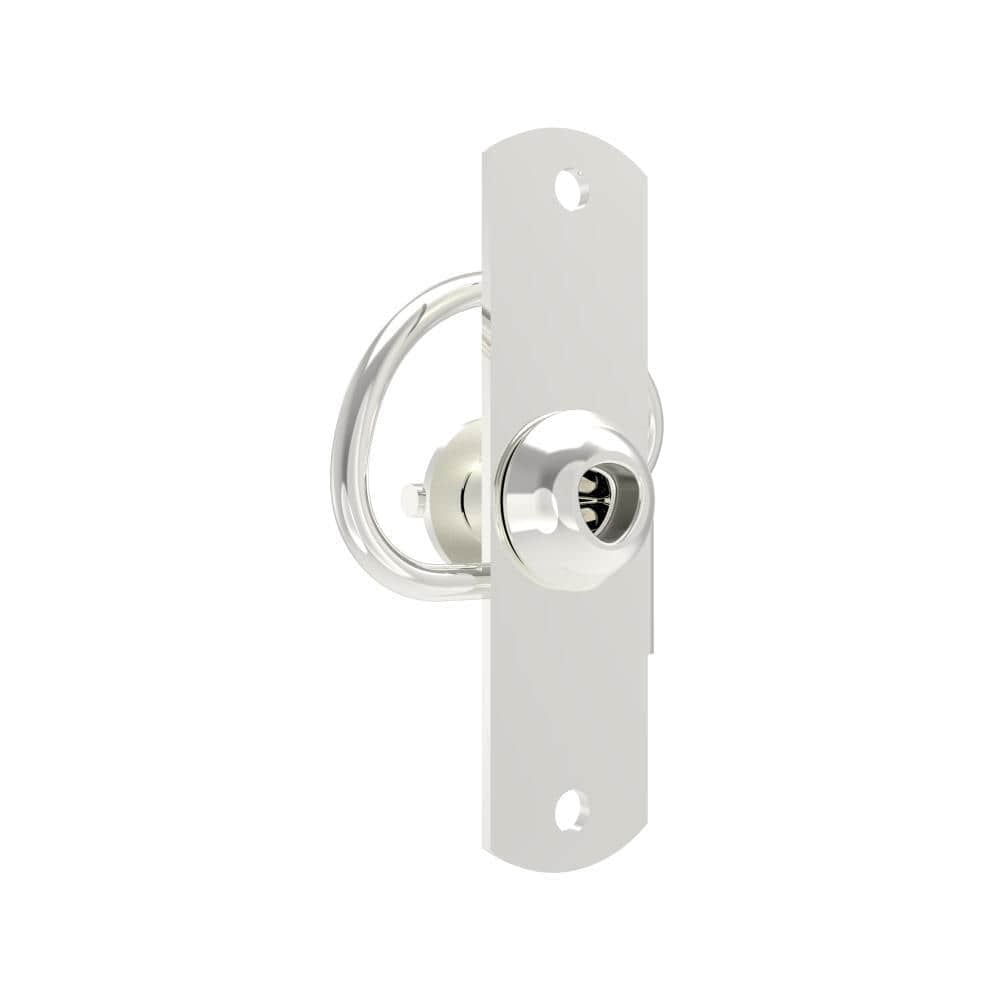
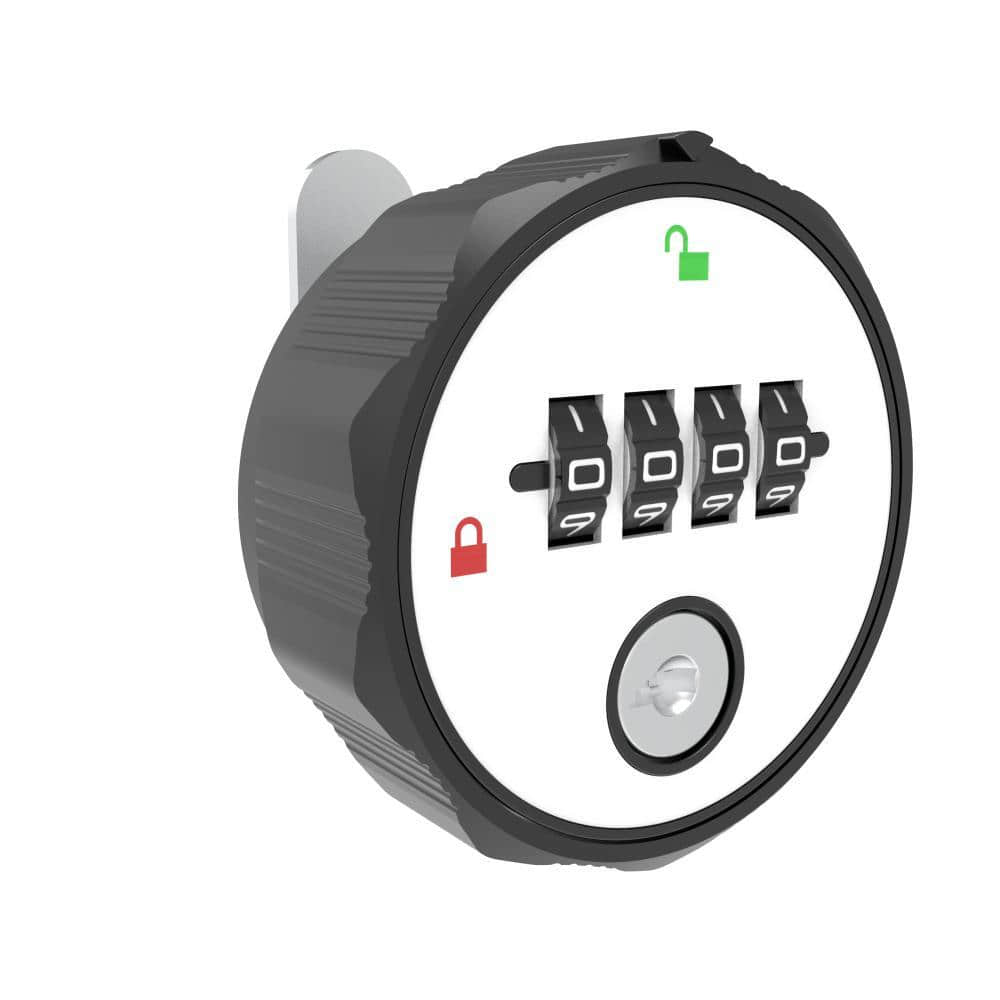
CNC latches are precisely built locking parts that are made through CNC machining. Because they are made to exact measurements, have a smooth surface, and can be shaped to fit specific needs, CNC latches are better than punched or cast parts.
They're great for:
• Machine enclosures (CNC milling machines, lathes, routers)
• Electrical and data cabinets
• Medical or cleanroom equipment
• OEM panel systems
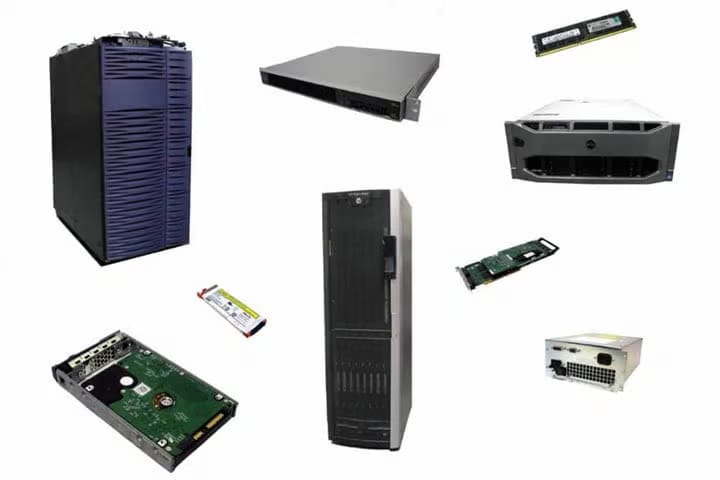
Why Choose CNC‑Machined Latches for Industrial Applications?
High Dimensional Accuracy: CNC machining helps you create very tight tolerances, so latch parts fit properly into their housings or fixing surfaces. The latch will always open or close with the same amount of force. Because of shaking, it is less likely to break or get out of place.
Stronger Materials: CNC locks are made from solid pieces of aluminum, zinc, or stainless steel. Locks that are stamped or shaped aren't as strong. These materials are suitable for outdoor or high-traffic enclosures because they don't rust, are strong in tension, and are stable in structure.
Custom Configurations: CNC lets vendors manufacture locks with cam shapes, mounting patterns, and forms that are different for each task. They can adjust the style to match their needs. They work excellent with special panels, locking systems with more than one point, or cabinet designs that some businesses utilize that normal latches wouldn't function with.
Smooth Engagement: CNC cutting makes sides that are smooth, with no burrs, and have the same surface quality all across. This makes the latch work better, locks better, and keeps the matching pieces from breaking down. This is necessary for closets that are used a lot or are open a lot.
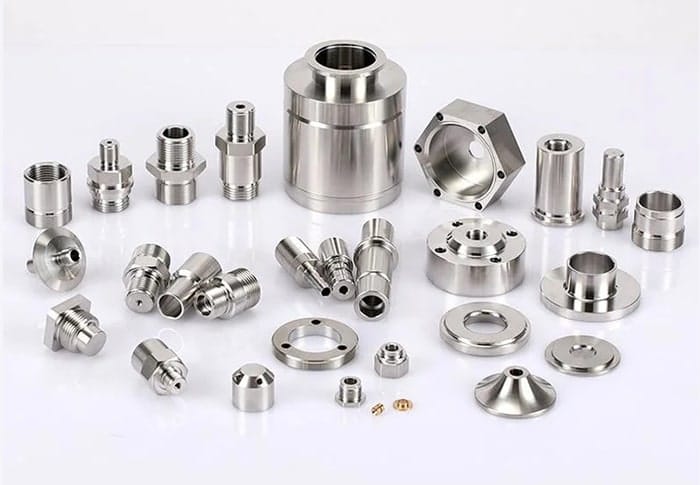
Why Corrosion‑Resistant Door Hardware Matters
In a lot of fields, such maritime, outdoor electrical, food processing, or chemical plants, hardware can fail because of rust or damage to the surface. Choosing door hardware that won't rust helps keep things from breaking down and makes them last longer.
Commonly used materials:
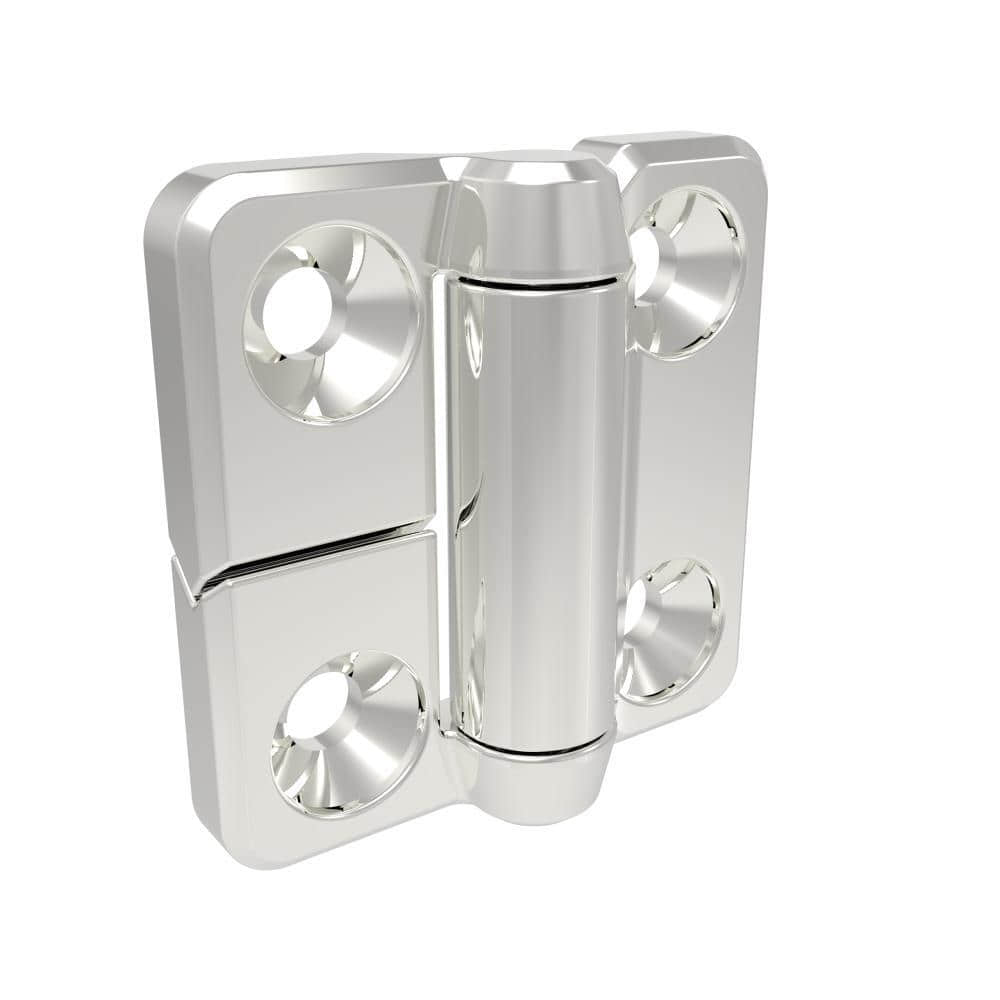
Stainless steel (304/316) is very resistant to salinity, chemicals, and moisture.
Zinc alloy with a coating that prevents rusting. It's light and cheap, so it may be used inside and outside.
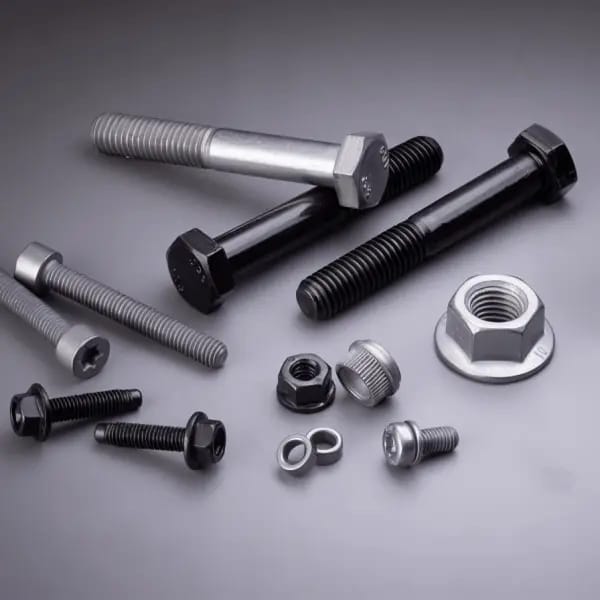
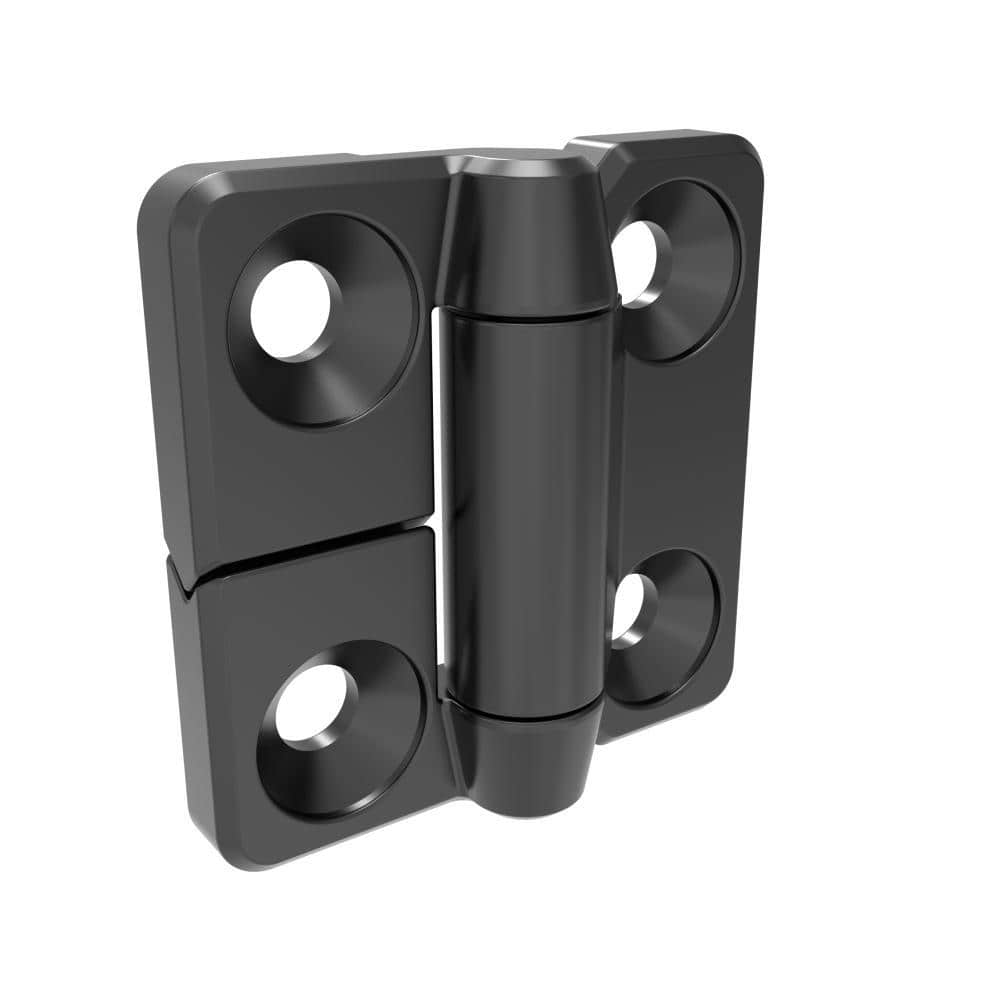
Steel that has been powder-coated or aluminum that has been anodized—adds added protection and looks good.
Some aspects that help prevent corrosion are:
• Weather-sealing gaskets
• IP-rated sealing (IP54, IP65, etc.)
• Anti-corrosion surface treatments (chrome plating, black oxide, etc.)
• UV- and chemical-resistant finishes
Choosing the Right CNC Latch or Corrosion‑Resistant Hardware
For high-salt or coastal environments, use stainless steel; if security is a concern, consider keyed or tool-only access; if moisture protection is important, look for IP ratings (such as IP65); and match latch size to panel thickness and door weight. If in doubt, seek advice from a manufacturer or hardware supplier that facilitates OEM/ODM customization, such as Fornd.
About Fornd
Fornd produces corrosion-resistant locking hardware and CNC-machined latches for use in telecom, transportation, and industrial settings. Fornd products offer long-lasting durability in even the most extreme conditions thanks to their precise materials, weather-sealed options, and customizable configurations.
Visit fornd.com to view our latch and door hardware options, or get in touch with us for a free sample or quote.