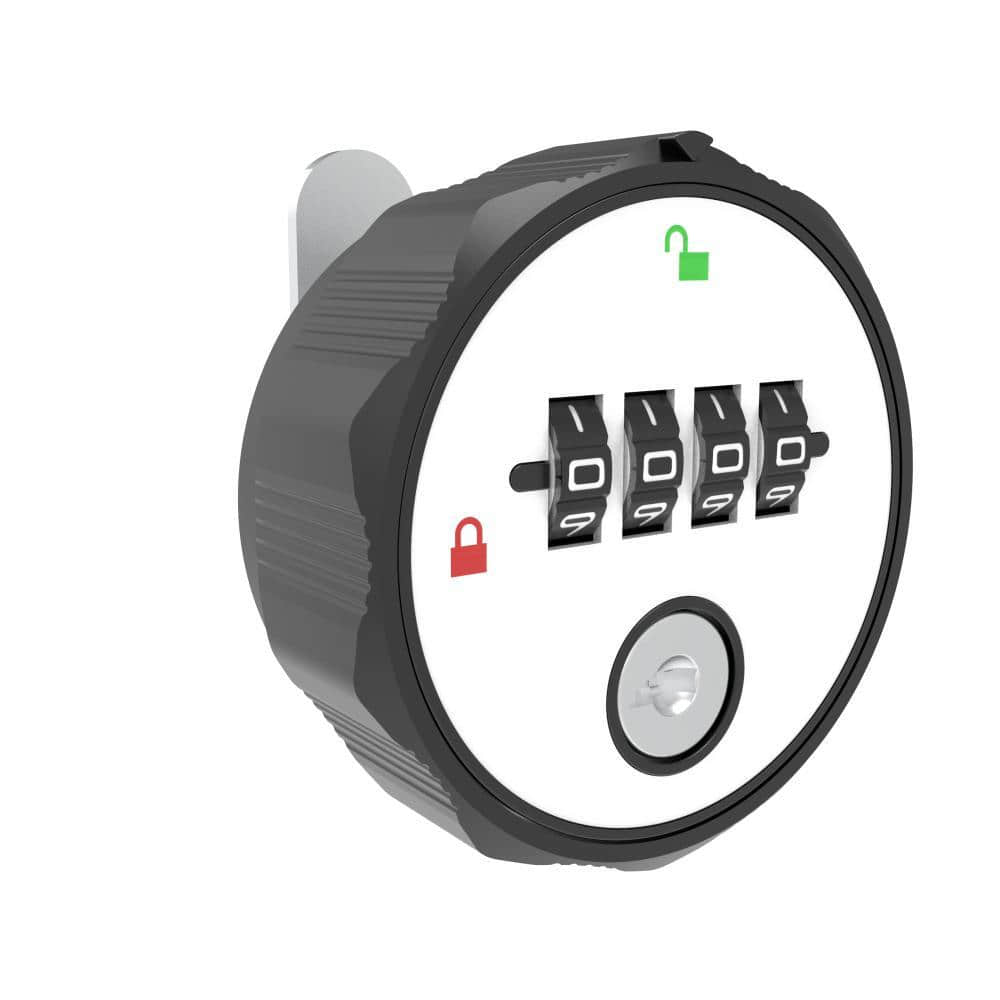
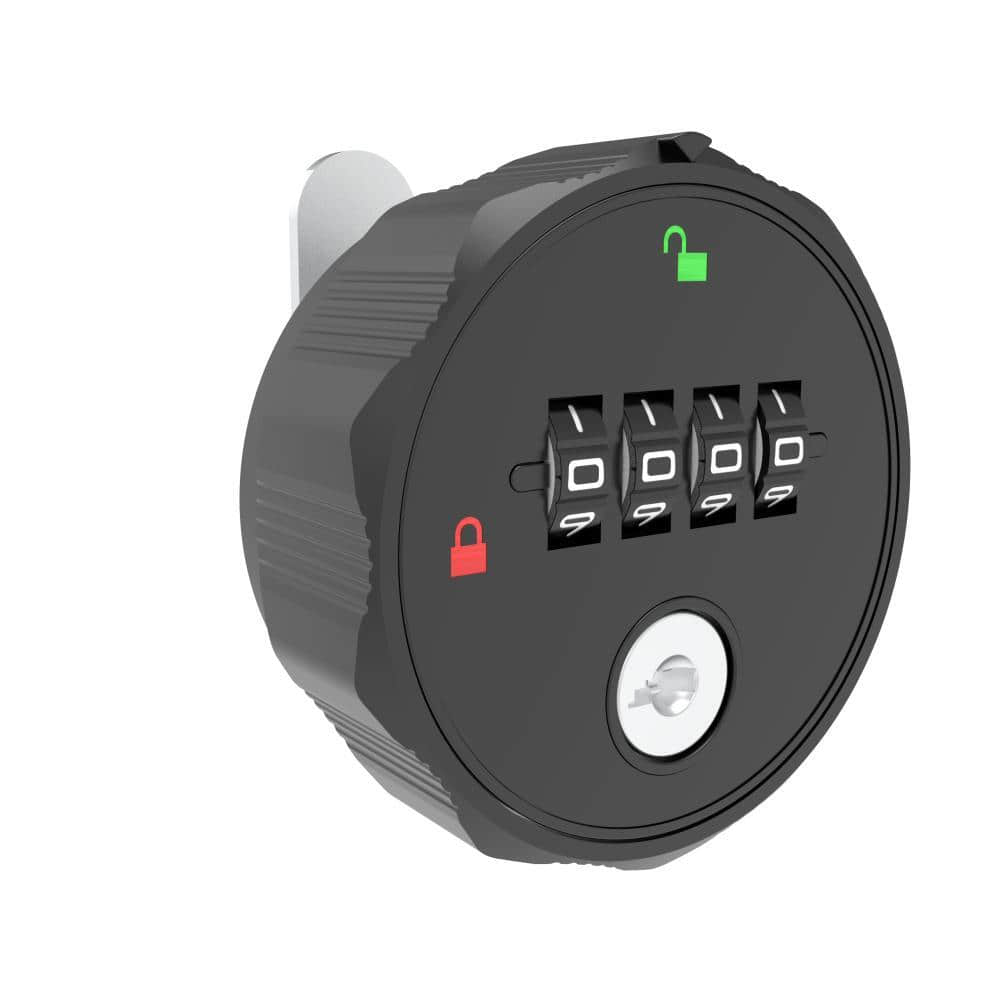
What is a 4-Digit Combination Lock?
A 4-digit combination lock is a form of security mechanism that uses a number code instead of a key. There are four dials on the lock, and each one has numbers from 0 to 9 on it. When the right sequence is set, the lock will open, which aligns up the parts within. This design doesn't need real keys, so it's excellent for both home and commercial use. Fornd makes locks for businesses, such as waterproof 4-digit combination locks that are commonly used in telecom, energy, and equipment cabinets.
Key Features of a 4-Digit Combination Lock
Compared with traditional keyed locks, 4-digit combination locks offer several advantages:
1. No keys needed
With a 4-digit combination lock, you don't have to carry, store, or copy real keys. It's easy to get in every day if you only remember the code, and you won't have to worry about getting locked out if you lose your keys. This feature is helpful in places where a lot of people need to get in without keys.
2. High security
A 4-digit code (0000–9999) has 10,000 possible combinations, which makes it ten times harder to guess than a 3-digit lock. When a 3-digit lock breaks, it's better to have this extra protection to keep private areas, valuable tools, and sensitive equipment safe.
3. User control
By resetting many 4-digit combination locks, the owner can change the code. This is very important if people who shouldn't have the code or only need it for a short time do. You can easily change the code, and it keeps the lock safe without having to buy a new one.
4. Adaptability
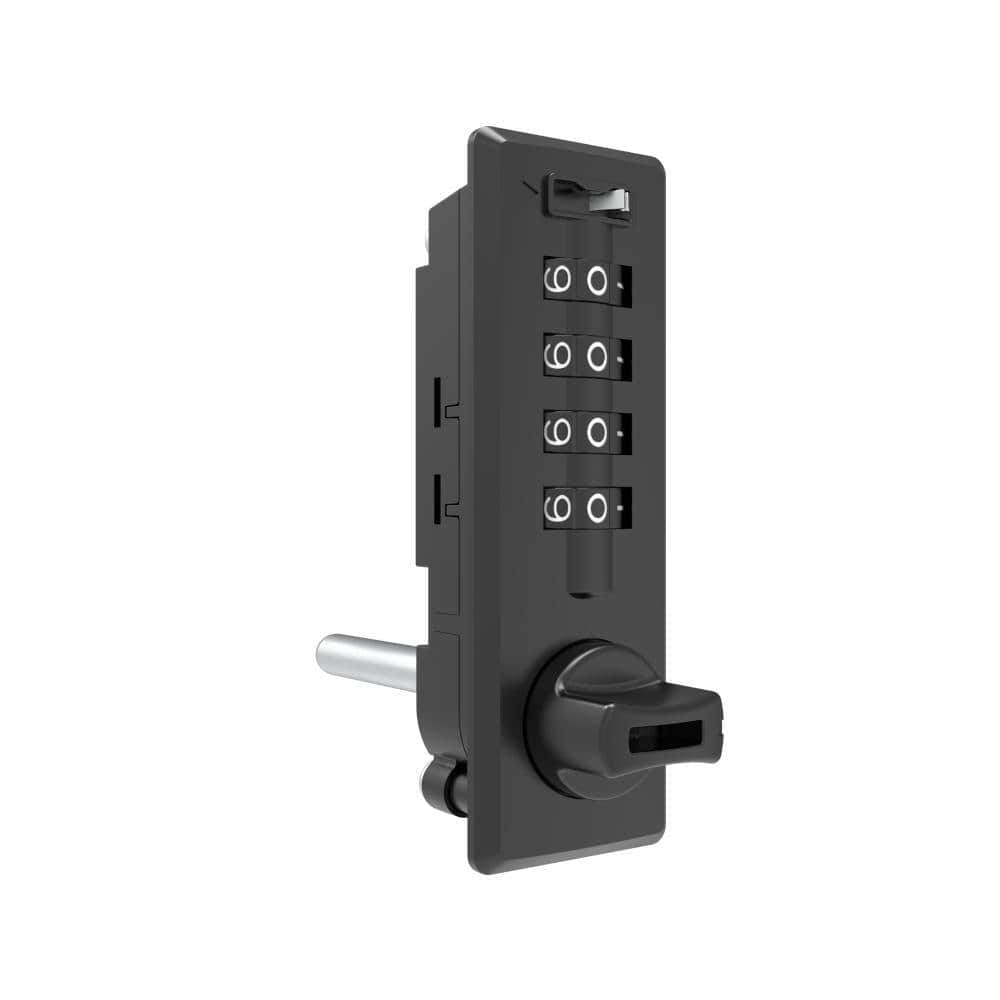
You can find panel-mount locks on cabinets, machines, and enclosures. Portable padlocks keep storage containers, lockers, and gates safe. Because they are so flexible, they are great for both personal and business use.
Key advantages (industrial lens)
Keyless access & fewer logistics: No physical keys to issue, duplicate, or recover — useful where many operators need temporary access.
Stronger than 3-digit: Four digits raise brute-force space to 10,000 combinations, substantially reducing casual guessing.
Resettable: Many models let administrators change codes on the fly (no swap-out required).
Form factors for industry: padlocks, panel-mount/cam locks, and slam locks exist for lockers, equipment cabinets, enclosures and gates. Choose the form that matches your installation (padlock for containers; panel or cam lock for cabinets).
If you evaluate locks for outdoor or harsh environments, inspect the IP/weatherproof rating and corrosion-resistant materials — many industrial 4-digit padlocks are sold as “weatherproof / outdoor” designs.
Where Are 4‑Digit Combination Locks Used in Industry?
For keyless access in offices, 4-digit combination locks are the preferred option. They secure everything from machinery panels to tool cabinets and storage units, eliminating the need to worry about unwanted access. Loading bay doors, lockers, and movable containers are all locked in logistics and warehousing to ensure that only authorized personnel can access the goods.
For outdoor or harsh environments like energy control boxes or meter housings, weatherproof models (IP54/IP65) are essential. And if you’ve seen locks on truck compartments, railcars, or ships, chances are they’re combo locks—perfect for industries where losing a key isn’t an option. Can you think of other places where these locks would be handy?
How to Open a 4-Digit Combination Lock Step-by-Step?
1. Enter the Combination
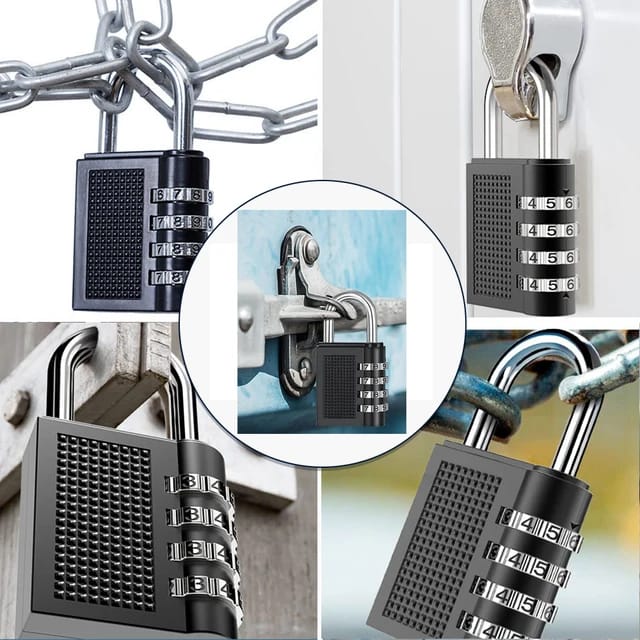
Look for the four number dials on the lock that turn. Carefully turn each dial until the numbers match your code. Make sure that each one is properly lined up with the mark in the middle. Before moving on to the next dial, take your time and look at each one carefully. A slight misalignment can stop the lock from opening.
2. Line up the digits precisely
Turn each dial so the chosen digit sits exactly at the indicator mark (usually a line, arrow or groove). Confirm each digit before moving to the next — even a tiny offset can prevent opening. This is the single most common reason a correct code still won’t work.
3. Apply Light Tension
Style of padlock: Carefully pull up on the shackle once you set the code. You should use consistent force, but not too much—just enough to open the lock.
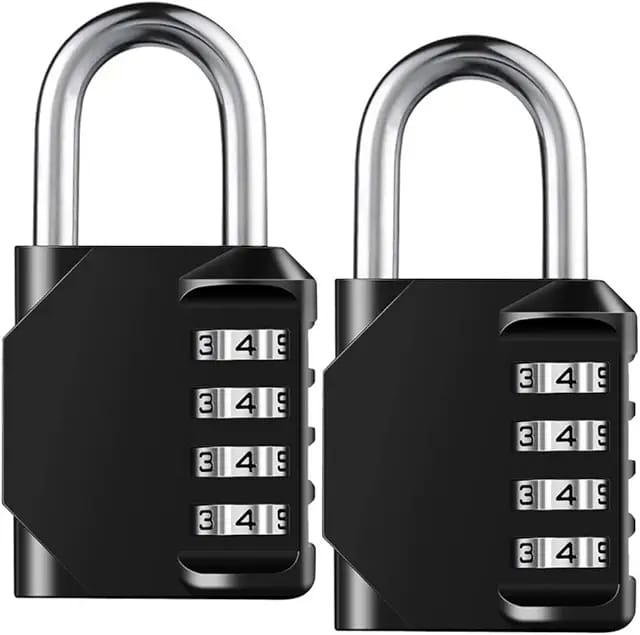
Panel-mount or cam style: Once you've entered the code, turn the handle, latch, or cam mechanism smoothly. Don't twist too hard; the inside is made to let go smoothly when the appropriate code is entered.
4. Unlock
If all four digits are correct, you will feel the mechanism come loose and the lock or shackle will glide easily. On some models, you could hear a soft "click" when it unlocked. Some higher-end designs, like some industrial ones, may also allow you use a management key to go around the code rapidly.
5. If It Doesn’t Open
Check that each dial is in the right place. Make sure you're pulling or twisting the right way. Try to enter the code again slowly. Sometimes, mechanical dials need to be in the right place to unlock.
6. If the Code Is Forgotten
If you can't recall the code for a 4-digit lock, try 0000, 1234, or numbers that repeat, like 1111. You can reset some locks, and for some locks, you can acquire a new one with the serial number. If you use the lock at work or in a factory, you should call the maker or an authorized dealer for help or a new lock.
Selecting the right 4-digit lock for industrial use — checklist
Form factor: padlock, panel/cam lock, or slam/push-to-close — pick by application.
Material & corrosion resistance: stainless or zinc alloy bodies and hardened shackles for outdoors or marine use.
Sealing / IP rating: choose weatherproof models (IP54–IP65 or manufacturer spec) where dust/water are concerns.
Shackle thickness & tamper resistance: thicker shackles and deadlocking mechanisms resist cutting and shimming.
Reset method & admin controls: check whether code reset requires the shackle open, a reset tool, or an internal lever — this affects operational procedures.
Master key / serial tracking: if you manage many locks, a master system or serial-numbered inventory dramatically reduces downtime.
Fornd practical tips
As a 20-year veteran in industrial lock production at Fornd, we’ve seen the mistakes that cost time and money. Apply these manufacturer-grade tips on site:
Rotate codes on schedule: For shared equipment, change combinations on a scheduled cadence (monthly/quarterly) and log changes in your maintenance system. This prevents accidental long-term exposure.
Avoid obvious combos: Ban factory defaults and easy repeats (1234, 0000, 1111) via procurement policy — enforce at receiving inspection.
Lubricate, don’t oil: Use a dry PTFE or graphite spray annually for mechanical dials in dusty environments — liquid oils attract grit and cause sticking.
Label but don’t expose: Mark lock location (e.g., “Panel A—Lock 03”) but never write the code on or near the lock. Use centralized documentation (encrypted or locked) for codes.
Test before deployment: Always test new locks in the actual panel/cam orientation and under expected field forces (temperature, vibration) before rolling them into critical systems.
Want industrial models we supply? See Fornd’s weatherproof 4-digit padlocks and panel locks at Combination lock
(select “Combination Locks” on the product menu).
About Fornd
Fornd manufactures industrial locking systems, including 4-digit combination locks, cam locks, and specialized security hardware for telecom, energy, and equipment enclosures. Fornd has over ten years of expertise providing durable, tailored solutions to clients in over 70 countries.
To learn more or request a quote, visit www.fornd.com.